

Chaque année, nous revenons sur les tendances et les événements qui ont façonné le paysage de l'investissement. Voici ce que nous avons vu en 2025.
L'année a été dominée par l'intelligence artificielle, les droits de douane, la baisse de l'inflation et la hausse de l'or. En début d'année, nombreux étaient ceux qui anticiper une récession. Au lieu de cela, les marchés ont produit quelque chose de plus complexe : une croissance plus lente, mais un taux d'inflation plus élevé. une résistance surprenante.
Pour donner un sens à cette année, nous avons rencontré Wayne Wachell, Executive Chair Person et Chief Investment Officer de Genus, et Stephanie Tsui, Chief Sustainability Officer de Genus. Ensemble, ils ont donné leur point de vue sur les tendances qui ont marqué l'année : de l'influence grandissante de l'IA aux forces macroéconomiques difficiles en passant par un environnement réglementaire changeant pour l'ESG.
Les thèmes dominants du marché en 2025

AI : S'il y a une force unique qui a défini les marchés cette année, c'est bien l'intelligence artificielle, affirme M. Wachell. Les entreprises technologiques à forte capitalisation ont mené la charge, les capitaux se concentrant fortement sur un petit groupe d'acteurs dominants tels que Nvidia, Microsoft et Alphabet, auxquels il est souvent fait référence dans les discussions sur la concentration du marché liée à l'IA.
Toutefois, au fil de l'année, les investisseurs se sont de plus en plus concentrés sur les entreprises capables de transformer les investissements dans l'IA en bénéfices durables. “Nous commençons à voir une sorte de division entre les concurrents, alors que tout va à Nvidia”, a ajouté M. Wachell.
Forces macroéconomiques: Au-delà de l'IA, les développements macroéconomiques ont continué à exercer une forte influence sur les marchés. Les tarifs douaniers ont créé de la volatilité, en particulier au cours du premier semestre. La politique des banques centrales a également joué un rôle clé, puisque la Réserve fédérale américaine, ainsi que d'autres grandes banques centrales, ont entamé un processus d'ajustement de leurs taux d'intérêt. cycle d'assouplissement progressif sur les taux d'intérêt. L'inflation a continué à se modérer au cours de l'année, mais elle n'a pas disparu en tant que préoccupation politique.
Prix de l'or à un niveau record: L'or livré l'une de ses meilleures performances depuis des années. L'actif a bénéficié d'une combinaison de facteurs : les préoccupations persistantes en matière d'inflation, l'incertitude géopolitique persistante et l'attention croissante portée aux niveaux d'endettement du gouvernement américain. Pour de nombreux investisseurs, l'or a joué son rôle traditionnel de couverture contre les risques macroéconomiques et politiques.
Certains secteurs ont prospéré tandis que d'autres ont pris du retard

La technologie a été l'un des secteurs les plus performants au cours de l'année, grâce à des investissements soutenus dans l'intelligence artificielle et dans l'infrastructure qui soutient son expansion. Les méga-capitalisations ont bénéficié d'une forte dynamique des bénéfices et d'un afflux continu de capitaux, ce qui a renforcé l'influence considérable de la technologie sur les performances globales du marché.
Les actions liées aux communications se sont également bien comportées, soutenues par la hausse de la demande de données, de connectivité et de services numériques. Avec l'accélération de l'adoption de l'IA, ces entreprises ont bénéficié d'une utilisation accrue et de leur rôle dans le soutien de l'écosystème numérique au sens large.
Les sociétés aurifères se sont également distinguées, soutenues par la vigueur des cours de l'or. Les actions aurifères ont reflété les mouvements du métal sous-jacent et ont été utilisées par certains investisseurs dans le cadre de stratégies de diversification plus larges.
Plusieurs secteurs traditionnellement défensifs ont été à la traîne pendant la majeure partie de l'année, bien que beaucoup aient montré des signes de reprise vers la fin de l'année. Il s'agit notamment de l'immobilier, qui a continué à ressentir les effets de la hausse des taux d'intérêt, de la consommation de base, qui a sous-performé en raison de l'incertitude liée aux tarifs douaniers, et des soins de santé, en raison de l'incertitude réglementaire et des inquiétudes liées à la politique du gouvernement américain.
Un changement de réglementation pour le développement durable et l'ESG
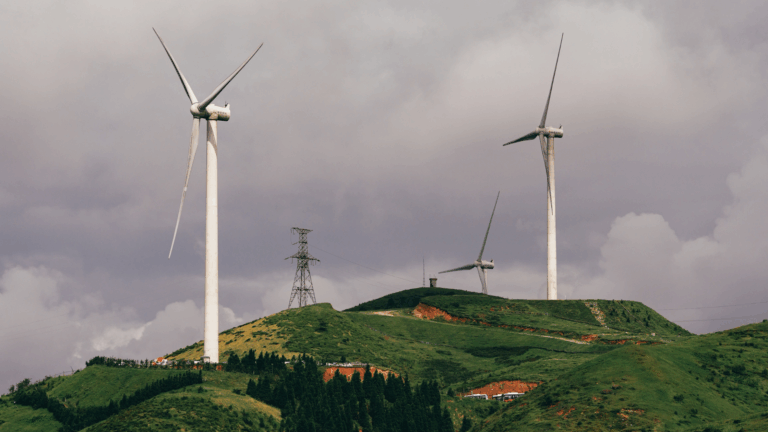
Cette année a également été marquée par une nette évolution du paysage réglementaire en matière de développement durable et d'ESG.
Au Canada, l'introduction de la Projet de loi C-59 avait pour but de lutter contre l'écoblanchiment et d'améliorer la transparence et la responsabilité des déclarations environnementales. Au lieu de cela, elle a incité de nombreuses organisations à réduire les informations publiques sur le développement durable plutôt que de risquer de commettre des erreurs - un effet que l'on qualifie de brossage vert. “Nous avons vu beaucoup d'entreprises cesser de rendre compte de leurs progrès en matière de développement durable”, déclare M. Tsui.
Heureusement, cela n'a pas empêché les investisseurs d'impact de rester fidèles à leurs valeurs, et bien que certains fonds aient connu des sorties de capitaux, il ne s'agissait pas d'un revirement fondamental. “Les clients restent engagés”, affirme M. Tsui. “Certains adoptent une approche plus prudente pour investir de nouveaux capitaux dans ce secteur, tandis que d'autres doublent la mise”, ajoute-t-elle.
Pour de nombreuses institutions, le développement durable est de plus en plus souvent envisagé sous l'angle de la durabilité. valeur stratégique et résilience à long terme. Au fur et à mesure que les priorités évoluaient, les capitaux se sont orientés vers des domaines répondant à des problèmes concrets, explique M. Tsui, “tels que les énergies renouvelables, les soins de santé et même les solutions basées sur la nature”.”
L'épée à double tranchant de l'IA : productivité et demande d'énergie
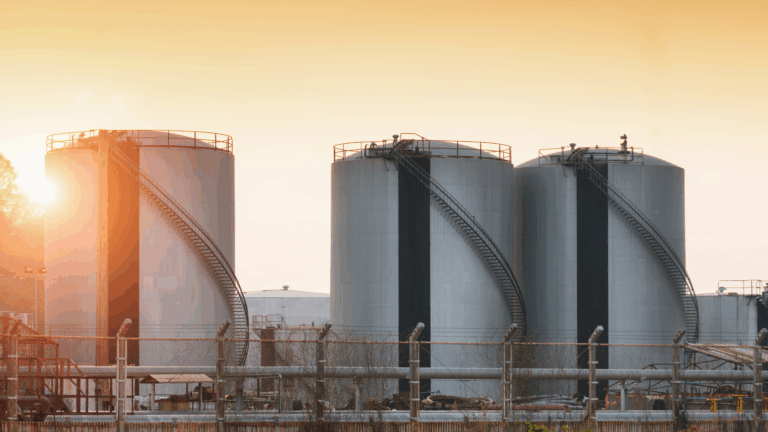
Peu de développements cette année ont illustré aussi clairement les opportunités et les tensions que les progrès rapides de l'IA. D'une part, l'IA a permis des gains de productivité significatifs, en particulier dans les tâches analytiques, administratives et à forte intensité de recherche. Dans des domaines tels que la finance, le droit et d'autres formes de travail de la connaissance, des processus qui prenaient autrefois des jours ou des semaines peuvent désormais être réalisés en quelques minutes.
Dans le même temps, la croissance de l'IA s'est accompagnée d'un coût important : la demande d'énergie.
La construction rapide de centres de données et d'infrastructures informatiques a fait exploser la consommation d'électricité, augmentant la dépendance à l'égard de toutes les sources d'énergie disponibles, en particulier le gaz naturel, le charbon et d'autres combustibles à forte teneur en carbone. “Ils construisent des centres de données et des installations de production d'énergie à une vitesse inimaginable”, explique M. Wachell.
En conséquence, les calendriers de décarbonisation sont repoussés et les considérations de sécurité énergétique influencent de plus en plus les décisions politiques et d'investissement. “La course à l'IA a repoussé la durée de vie des hydrocarbures”, explique M. Wachell. “Nous étions censés connaître un pic de la demande en 2030, mais ce n'est plus le cas aujourd'hui. repoussée à 2050."
À l'avenir, l'IA pourrait faire partie de la solution. Les progrès en matière de prévision, d'optimisation des réseaux, de gestion du stockage de l'énergie et de modélisation de l'efficacité ont le potentiel d'améliorer la façon dont les énergies renouvelables sont intégrées et mises à l'échelle. Pour l'instant, l'IA reste à la fois un catalyseur de progrès et une source de contraintes - elle accélère la productivité tout en remettant en question la voie vers un avenir énergétique plus durable. Et il est probable qu'il s'agisse d'un thème dominant pour de nombreuses années à venir.
Vous souhaitez faire un bilan approfondi de l'année 2025 et connaître nos prévisions pour l'année 2026 ? S'inscrire pour participer à notre prochain webinaire du 22 janvier. Vous pouvez nous rejoindre en personne ou via livestream.
Références
- Ghosh, I. (2025, 17 avril). Les droits de douane vont provoquer un fort ralentissement de l'économie américaine, le risque de récession passe à 45% : Reuters Poll. Reuters. Consulté le 19 décembre 2025, à l'adresse https://www.reuters.com/markets/us/tariffs-trigger-sharp-us-economic-slowdown-chance-recession-jumps-45-2025-04-17/
- Randall, S. (2025, 2 décembre). Le Canada se maintient dans un contexte d'incertitude commerciale alors que BlackRock signale un changement de marché mondial induit par l'IA. Professionnel du patrimoine. https://www.wealthprofessional.ca/news/industry-news/canada-holds-steady-amid-trade-uncertainty-as-blackrock-flags-global-ai-driven-market-shift/391022
- L'ÉCONOMIE DES ÉCHANGES. (n.d.). Taux d'intérêt des fonds fédéraux des États-Unis. https://tradingeconomics.com/united-states/interest-rate
- Contenu financier. (2025, 25 novembre). L'ascension sans précédent de l'or : A Deep Dive into Economic and Geopolitical Drivers (L'ascension sans précédent de l'or : une plongée en profondeur dans les facteurs économiques et géopolitiques). Contenu financier. https://markets.financialcontent.com/stocks/article/marketminute-2025-11-25-golds-unprecedented-ascent-a-deep-dive-into-economic-and-geopolitical-drivers
- Commerce, C. C. O. (2025, 26 février). Un échec du processus et de la politique : Le projet de loi C-59, qui modifie la Loi sur la concurrence pour la rendre plus écologique - Chambre de commerce du Canada. Chambre de commerce du Canada. https://chamber.ca/greenwashing-bill-c59/
- Bradstock, F. (2025, 22 novembre). Pourquoi l'AIE pense désormais que la demande de pétrole continuera d'augmenter jusqu'en 2050. OilPrice.com. https://oilprice.com/Energy/Energy-General/Why-the-IEA-Now-Thinks-Oil-Demand-Will-Keep-Rising-Until-2050.html#:~:text=TheIEAreverseditsearlier,yearslongerthanpreviouslyanticipated.
Ce document est fourni à titre d'information générale uniquement et ne remplace pas les conseils d'un professionnel. Il ne constitue pas un conseil ou une recommandation en matière d'investissement, de droit, de comptabilité, de fiscalité ou autre, et ne doit pas servir de base à une quelconque décision. Les lecteurs doivent demander des conseils professionnels spécifiques avant de prendre des décisions financières ou d'investissement. Certaines informations sont basées sur des sources tierces jugées fiables, mais leur exactitude et leur exhaustivité ne sont pas garanties. Les performances passées ne garantissent pas les résultats futurs.