
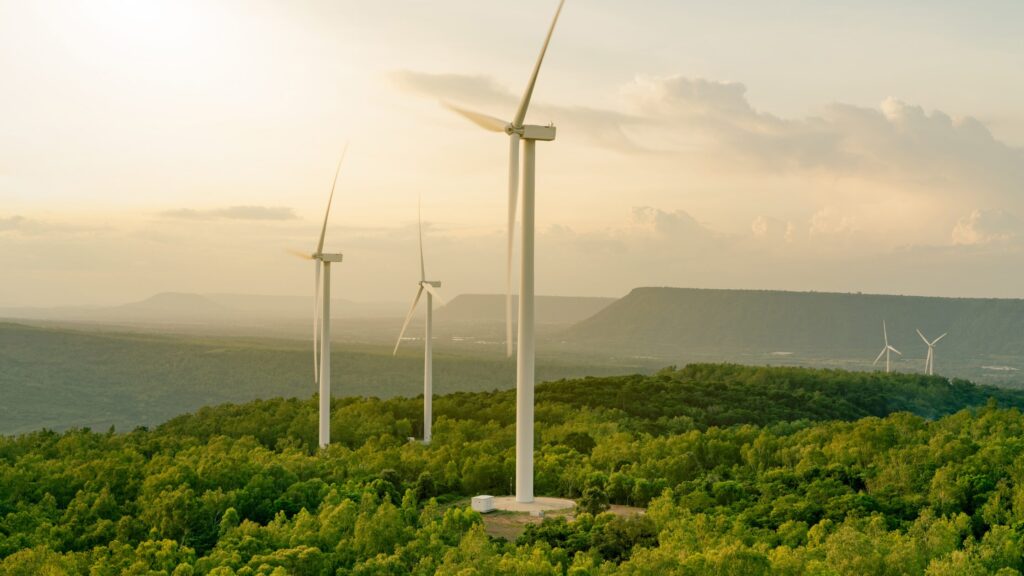
Pendant des années, le débat sur la transition énergétique a été centré sur le changement climatique : réduire les émissions, se désengager des combustibles fossiles et investir dans des sources d'énergie plus propres.
Aujourd'hui, le changement climatique n'est qu'une pièce du puzzle.
Une puissante convergence de forces technologiques, économiques et géopolitiques – de l'intelligence artificielle à la volatilité énergétique mondiale et à l'électrification rapide des transports – redéfinit la manière dont l'énergie est produite et consommée.
Ensemble, ces tendances créent une demande soutenue pour de nouvelles infrastructures – et accélèrent les investissements dans l'ensemble du secteur énergétique.
“ La conversation est en train d'évoluer ”, déclare James Dick, associé principal en investissement durable chez Genus Capital Management. “ De nos jours, il s'agit davantage de transition que de désinvestissement. ”
Pour les investisseurs, cette distinction a de l'importance. Plutôt que de se concentrer uniquement sur ce que le monde abandonne, l'attention se tourne vers ce qui doit être construit pour soutenir la prochaine génération de systèmes énergétiques.
Voici pourquoi l'investissement dans la transition énergétique est de plus en plus perçu comme urgent – et ce que cela implique pour les investisseurs.
L'IA stimule la croissance de la demande d'énergie
Pendant des décennies, la demande d'électricité dans les marchés développés est restée relativement plat¹ grâce à des gains d'efficacité qui compensent la hausse de la consommation.
Cette tendance s'est inversée.
“ Nous constatons enfin une croissance de la demande en énergie, déclare Dick. L'IA en est vraiment le principal moteur. ”
L'Agence internationale de l'énergie prévoit que la consommation d'électricité des centres de données pourrait plus que doubler d'ici 2030², propulsé en grande partie par l'intelligence artificielle.
Soutenir cette croissance exige bien plus qu'une simple production d'énergie renouvelable supplémentaire. Les centres de données fonctionnent 24 heures sur 24 et ont besoin d'une alimentation fiable et continue, ce qui stimule les investissements dans l'infrastructure de transport, le stockage par batteries, la modernisation du réseau et des technologies complémentaires telles que les petits réacteurs modulaires.
“Tout ce capital provenant d'entreprises telles que Microsoft et Meta³ permet de financer cette transition ”, dit Dick. “ Leurs investisseurs les ont poussés vers les énergies renouvelables, donc ils à la recherche de moyens efficaces pour y parvenir.⁴“

La sécurité énergétique a gagné en importance
Les récents événements géopolitiques ont renforcé l'importance de l'indépendance énergétique et de la diversification des approvisionnements.
La dépendance de l'Europe à l'égard du gaz naturel russe a exposé les risques⁵ de s'appuyer sur des sources d'énergie externes, tandis que les tensions autour du détroit d'Ormuz⁶ mettre en évidence la vulnérabilité des marchés mondiaux de l'énergie.
“ Pouvoir investir dans des systèmes énergétiques plus propres et contrôlés au niveau local est une nécessité ”, déclare Dick. “ L'une de ces façons est de développer un système énergétique diversifié. ”
L'électrification est plus importante que ne le laissent entendre les gros titres
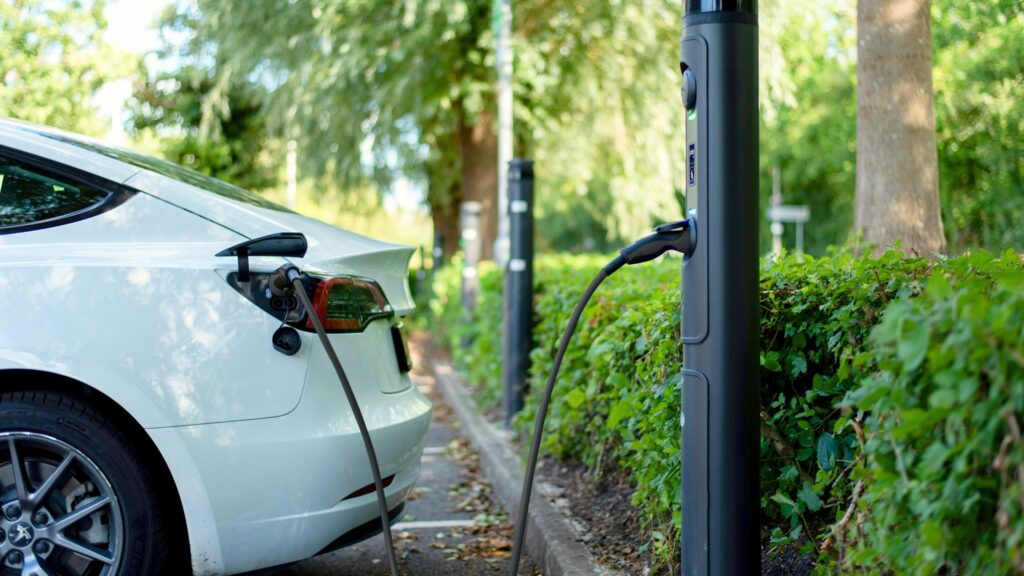
Les véhicules électriques ne dominent peut-être plus l'actualité, mais l'électrification continue de s'accélérer. “ Le transport électrifié représente la plus grande part des investissements dans la transition énergétique ”, déclare Dick.
Selon le Bloomberg⁷, les transports électrifiés ont attiré environ 1 489 200 milliards de dollars américains d'investissements en 2025, ce qui en fait la principale catégorie de dépenses mondiales liées à la transition énergétique et représente une augmentation de 211 300 par rapport à l'année précédente.
Et tandis que l'adoption continue de croître, l'investissement s'étend bien au-delà des véhicules eux-mêmes. Les réseaux de recharge, l'infrastructure de transmission et les systèmes de distribution nécessitent tous des améliorations importantes pour soutenir une économie plus électrifiée.
Les opportunités d'investir dans la transition énergétique se multiplient.
L'ampleur des investissements en cours a permis aux capitaux de circuler dans tous les domaines, de la modernisation des réseaux au stockage par batterie, et des procédés industriels propres aux technologies émergentes conçues pour soutenir une économie plus résiliente et électrifiée.
Cette envergure reflète une transition qui s'élargit bien au-delà de son objectif initial de production d'énergie renouvelable. “ L'année dernière, nous avons enregistré un montant record de capitaux investis dans la transition énergétique mondiale ”, déclare Dick, citant un Augmentation de 8%⁹ par rapport à l'année précédente – soit $2,3 billions de dollars investis en 2025.
Cette opportunité en expansion crée des moyens uniques pour les investisseurs de participer. Par exemple, chez Genus, investir dans notre Fonds d'actions à impact élevé offre une exposition aux entreprises impliquées dans les infrastructures énergétiques, la modernisation des réseaux et la production d'énergie renouvelable, telles que GE Vernova, Siemens Energy AG et Solaria Energía.
Mais l'investissement à impact ne doit pas nécessairement s'arrêter aux marchés publics.
“ Vous pouvez également explorer des opportunités d'avoir un impact dans votre communauté ”, dit Dick. Cela pourrait inclure Projets d'impact dirigés par des Autochtones, des initiatives énergétiques communautaires, des projets de logements abordables ou des organisations à but non lucratif œuvrant pour améliorer efficacité énergétique dans les municipalités.
La prochaine phase de la transition énergétique a déjà commencé
La variété des opportunités offertes aux investisseurs aujourd'hui témoigne de l'élargissement considérable de la transition. Ce qui a commencé comme un débat sur la production d'énergies renouvelables englobe désormais l'infrastructure des réseaux, le stockage par batteries, le transport électrifié, les procédés industriels propres et bien plus encore, soutenu par des flux de capitaux records.
Cette diversité signifie plus de points d'entrée, mais aussi davantage d'urgence. La demande augmente sur plusieurs fronts à la fois, et l'infrastructure requise pour y répondre continue de dépasser ce qui est actuellement construit.
Pour les investisseurs, c'est là que réside l'opportunité — et c'est là que l'attention se concentre de plus en plus.
Pour en savoir plus sur l'investissement dans la transition énergétique, découvrez notre services d'investissement à impact aujourd'hui.

Références
- Après plus d'une décennie de stagnation, la consommation d'électricité aux États-Unis augmente à nouveau.. (13 mai 2025). US Energy Information Administration. Récupéré le 11 juin 2026, sur https://www.eia.gov/todayinenergy/detail.php?id=65264
- L'intelligence artificielle devrait stimuler la forte hausse de la demande d'électricité des centres de données tout en offrant le potentiel de transformer le fonctionnement du secteur de l'énergie. (2025, 10 avril). IEA. Consulté le 11 juin 2026, sur https://www.iea.org/news/ai-is-set-to-drive-surging-electricity-demand-from-data-centres-while-offering-the-potential-to-transform-how-the-energy-sector-works
DiGangi, D. (28 mai 2026). Les hyperscalers n'avaient pas prévu de devenir des compagnies d'électricité. Le réseau ne leur a pas laissé le choix. Utility Dive. https://www.utilitydive.com/news/hyperscaler-data-center-power-companies-grid-utilities/820568/
- Ho, V. (18 février 2026). Microsoft atteint son objectif d'énergie renouvelable pour 2025 grâce à des projets mondiaux et un impact communautaire. Source. https://news.microsoft.com/source/features/sustainability/6-projects-that-helped-microsoft-meet-its-renewable-energy-goal/
Fazelianov, E. M. (2022). La crise énergétique en Europe et les approvisionnements en gaz russe. Messager de l'Académie des sciences de Russie, 92(S9), S902–S907. https://doi.org/10.1134/s1019331622150035
Magazine, D. (19 mars 2026). Tensions mondiales et la crise du détroit d'Ormuz : Une analyse géostratégique. Diplomat Magazine. https://diplomatmagazine.eu/2026/03/18/global-tensions-and-the-strait-of-hormuz-crisis-a-geostrategic-analysis/
BloombergNEF. (26 janvier 2026). Selon BloombergNEF, les investissements mondiaux dans la transition énergétique ont atteint le niveau record de $2,3 billions en 2025, soit une hausse de 8% par rapport à 2024.. BloombergNEF. https://about.bnef.com/insights/clean-energy/bloombergnef-finds-global-energy-transition-investment-reached-record-2-3-trillion-in-2025-up-8-from-2024/
Équipe éditoriale d'EVTech.News. (11 juin 2026). La flambée des prix des carburants stimule les ventes mondiales de véhicules électriques en 2026 : l'Europe et l'Asie en tête tandis que la demande américaine reste résiliente. EVTech.News. https://evtech.news/news/high-fuel-prices-drive-global-ev-sales-surge-in-2026-europe-and-asia-lead-while-us-demand-stays-resilient.html
BloombergNEF. (26 janvier 2026). Selon BloombergNEF, les investissements mondiaux dans la transition énergétique ont atteint le niveau record de $2,3 billions en 2025, soit une hausse de 8% par rapport à 2024.. BloombergNEF. https://about.bnef.com/insights/clean-energy/bloombergnef-finds-global-energy-transition-investment-reached-record-2-3-trillion-in-2025-up-8-from-2024/
Ce document est fourni à titre d'information générale uniquement et ne remplace pas les conseils d'un professionnel. Il ne constitue pas un conseil ou une recommandation en matière d'investissement, de droit, de comptabilité, de fiscalité ou autre, et ne doit pas servir de base à une quelconque décision. Les lecteurs doivent demander des conseils professionnels spécifiques avant de prendre des décisions financières ou d'investissement. Certaines informations sont basées sur des sources tierces jugées fiables, mais leur exactitude et leur exhaustivité ne sont pas garanties. Les performances passées ne garantissent pas les résultats futurs.